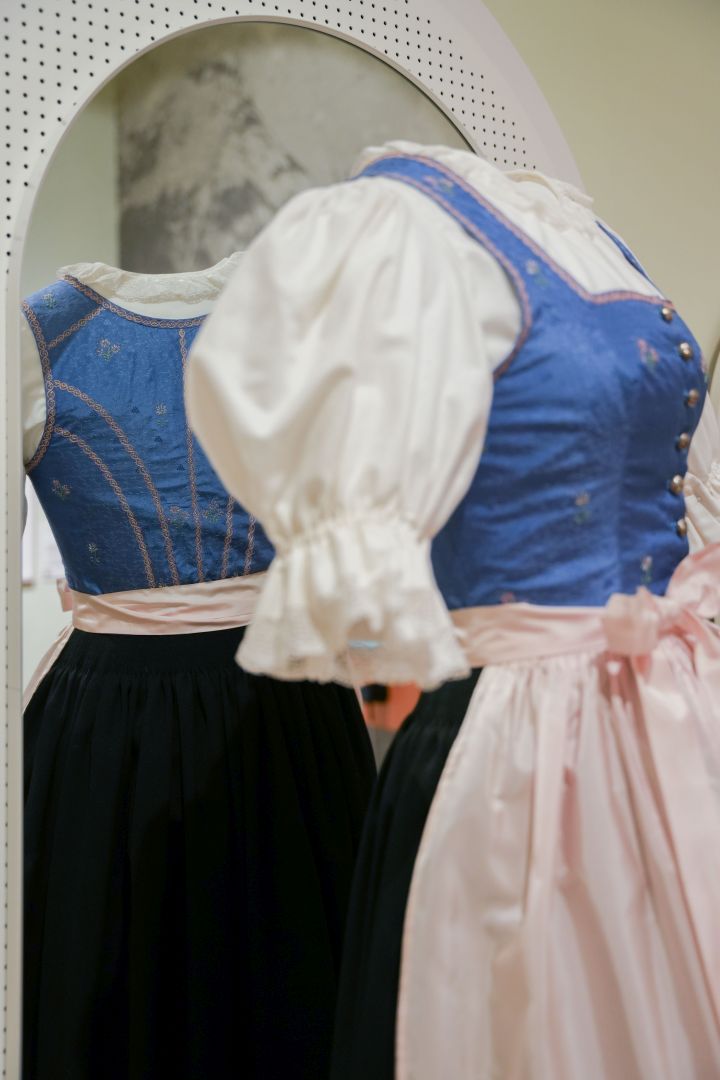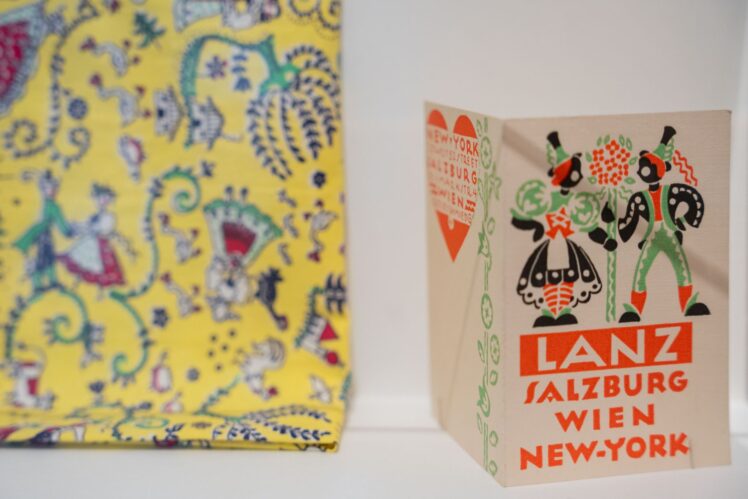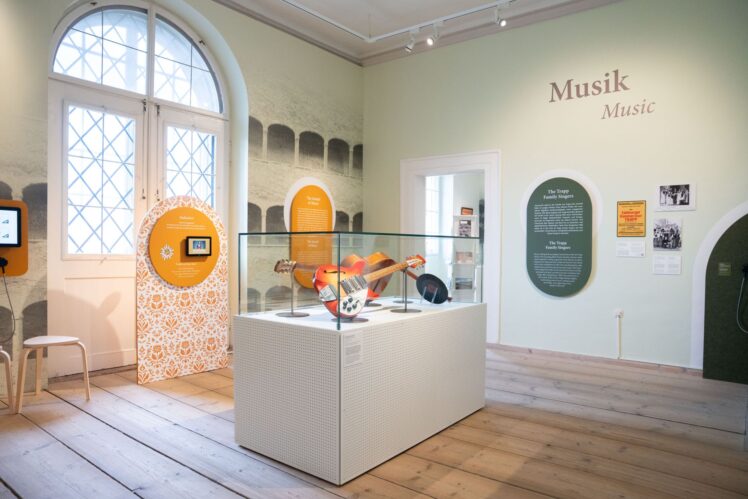
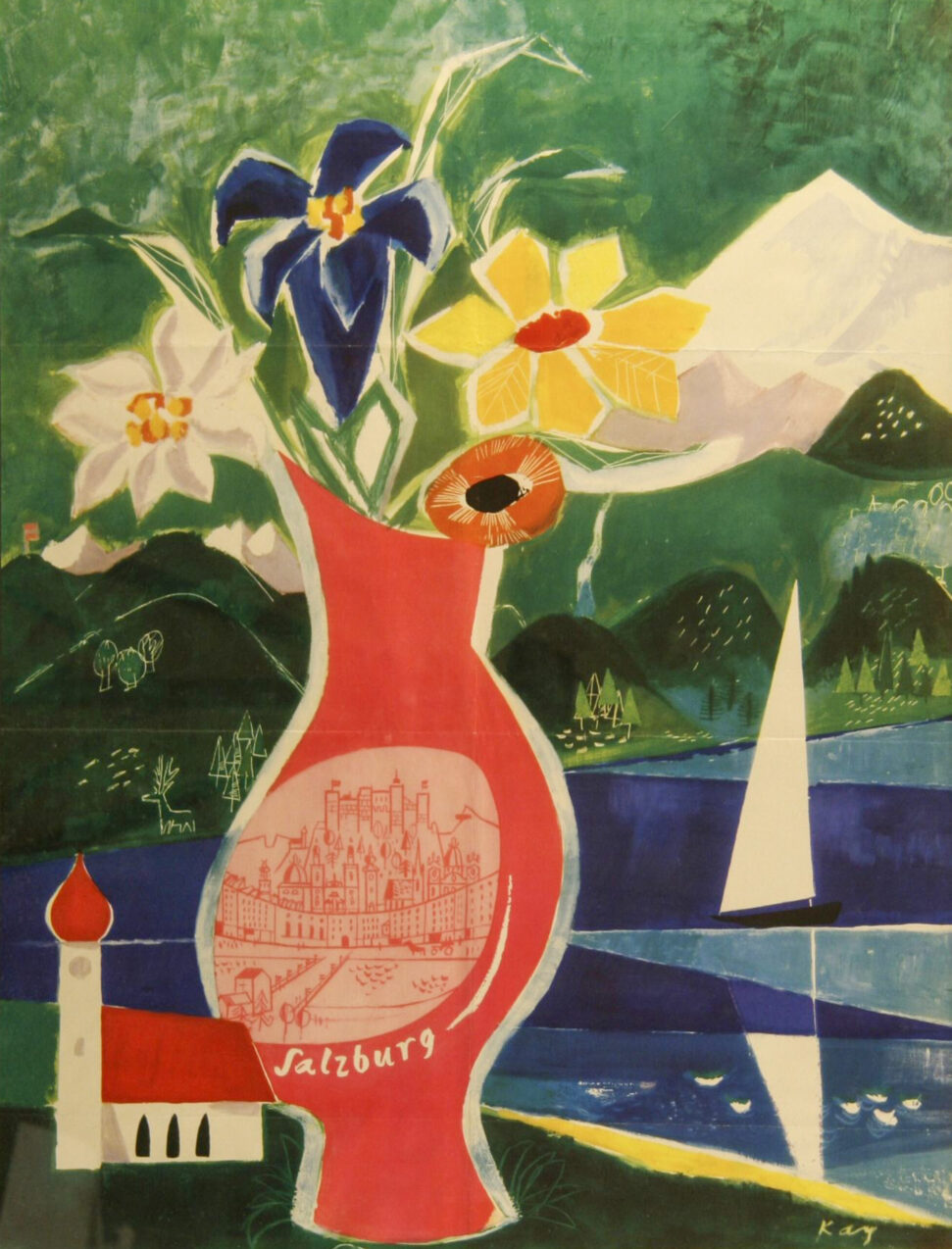
As early as the first half of the twentieth century, Salzburg’s “image” was deliberately cultivated for tourism purposes. Salzburg promoted itself with a backdrop of beautiful landscapes, traditional costume, and music. After the Second World War, this advertising strategy continued, conveying an emotionally charged image of Salzburg that fostered a sense of identity within Austria while making it attractive to tourists from abroad.
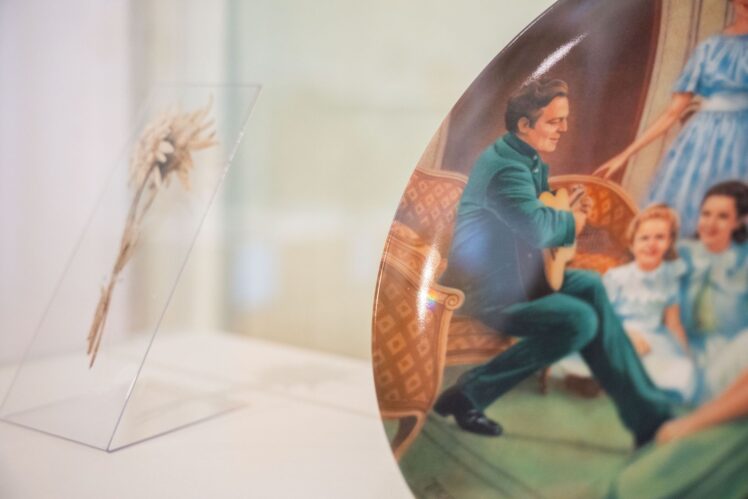
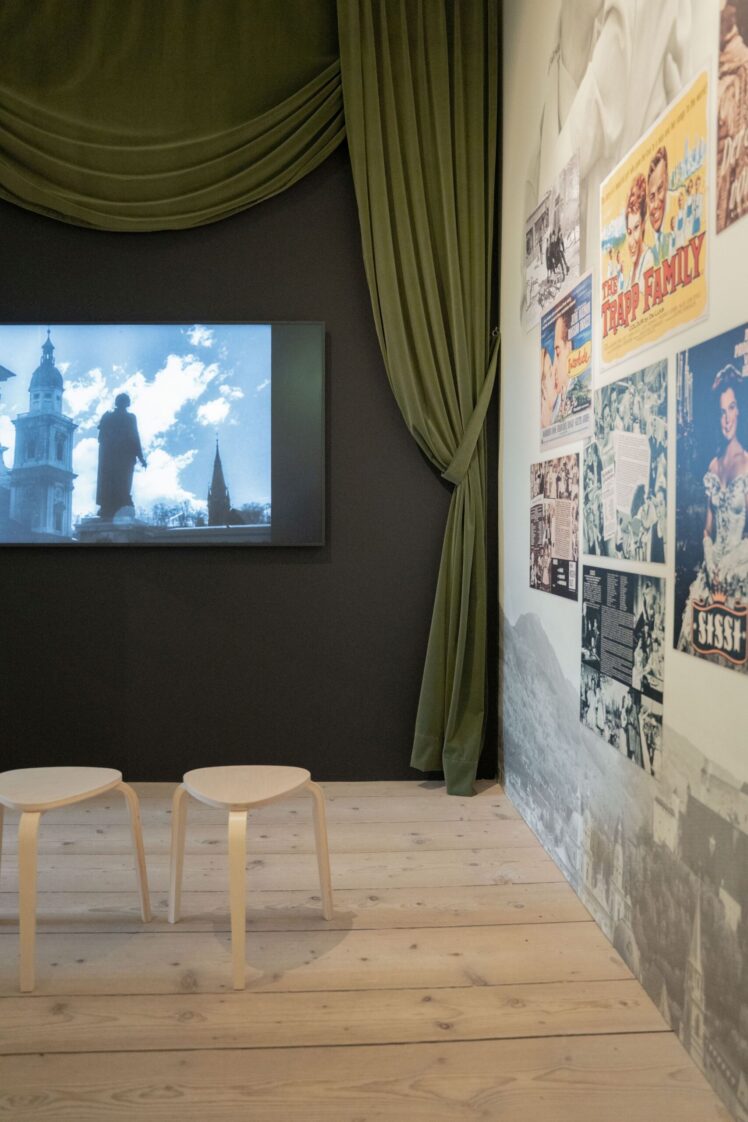
Thanks to its image of dirndls and lederhosen, Mozart Boys’ Choir, and baroque palaces set amid mountain scenery, Salzburg became a popular location for films that served as ambassadors of culture and clichés. The most famous film shot in Salzburg, in 1964, is “The Sound of Music”, which leads audiences to the settings of the von Trapp family’s story in Salzburg.
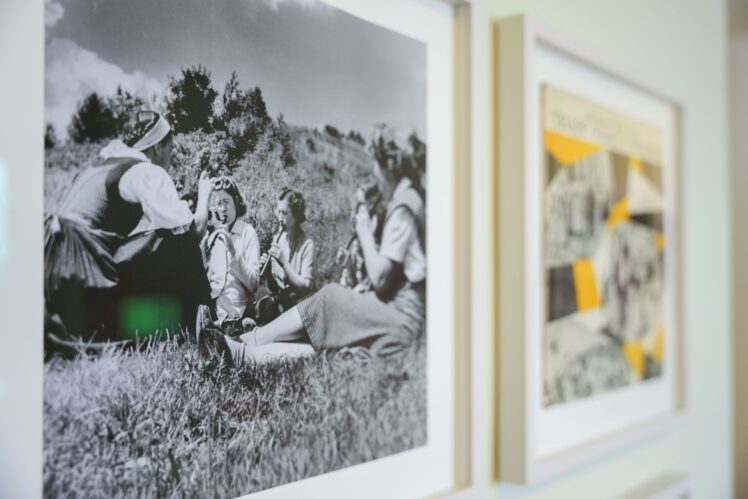
The exhibition examines the elements of landscape, music, and traditional costume from three perspectives: their portrayal in “The Sound of Music”, their representation through the von Trapp family, and their contemporary development in Salzburg during the 1950s and 1960s.
The story of the von Trapp family is set during the periods of Austrofascism and National Socialism. Within the exhibition, QR codes at selected objects provide references to individuals and topics related to these historical contexts. In the interest of critical historical reflection and based on current research, the Salzburg Museum provides additional information.