Baroque Visions from the Rossacher Collection
17.5.2014 until 6.4.2015
DomQuartier | North oratory
About the exhibition
The Rossacher Collection was assembled beginning in the 1950s and is entirely dedicated to artistic design in the Baroque period. A design is the visual expression of an artist’s first idea—the “prima idea” for a new commission.
Kurt Rossacher (1918–1988), a scholar of German literature, art historian, and art dealer, together with his wife Else (1919–1995), collected these small-scale, mostly anonymous works of art without any predetermined plan. At first, their sole motivation was the pleasure of collecting. Only later did a scholarly interest emerge.
The collection comprises a total of 139 oil sketches, 164 drawings, and 42 sculptural models. From 1973 to 2012 it was exhibited at the Salzburg Baroque Museum; today it forms part of the Salzburg Museum.
Prima Idea
For the new presentation of the Rossacher Collection, a selection had to be made. The exhibition reflects the development of the collection itself. Rather than emphasizing celebrated artists, chronological order, or geographical context, it seeks to convey the fascination of artistic designs.
Its aim is to highlight the diversity of preparatory works—their spontaneity, their varying stages of completion, their seemingly unfinished character, and their intended function within the creative process.
Three short films explore key themes from a contemporary perspective: Hand Signs (Barbara Musil), Sketch and Realization (Christian Schrenk), and the restoration of the relief Pope Leo the Great Meets Attila (Markus Weisheitinger-Herrmann). Together, they examine the creative process from different angles.
The Design
These records of an artist’s first ideas—the very birth of a work of art—are fascinating not only because of their apparent incompleteness, but also because they unite the sensuous qualities of paint, pen strokes, or modeled clay with intellectual conception. In a sense, they are the originals behind the finished originals.
They were created exclusively by the padrone, the master of a workshop. The final execution of the work was usually entrusted, for reasons of time, to assistants or journeymen.
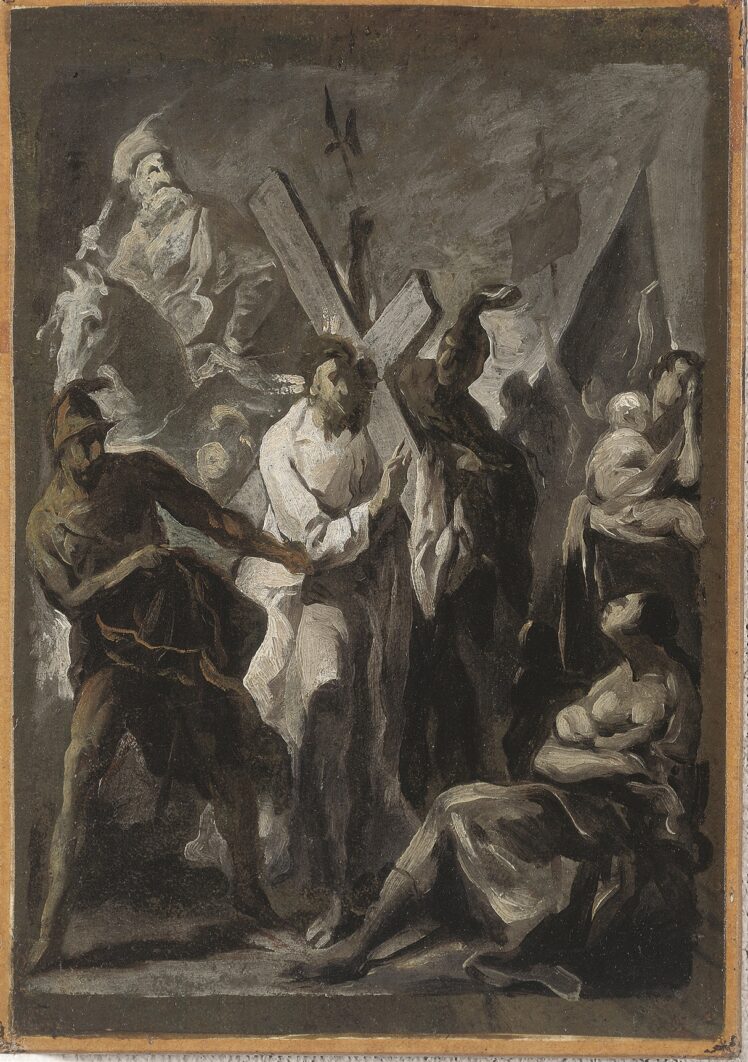
Oil sketches and sculptural bozzetti of this kind were known as cose bellissime (“most beautiful things”) and were highly prized by contemporaries for their exceptional freshness and spontaneity. Over time, the prima idea developed into an artistic genre in its own right.
Types of Designs
Preparatory works can be grouped according to their degree of completion or their intended purpose. Painters, sculptors, and architects generally began with drawings; accordingly, il disegno came to denote the fundamental artistic idea.
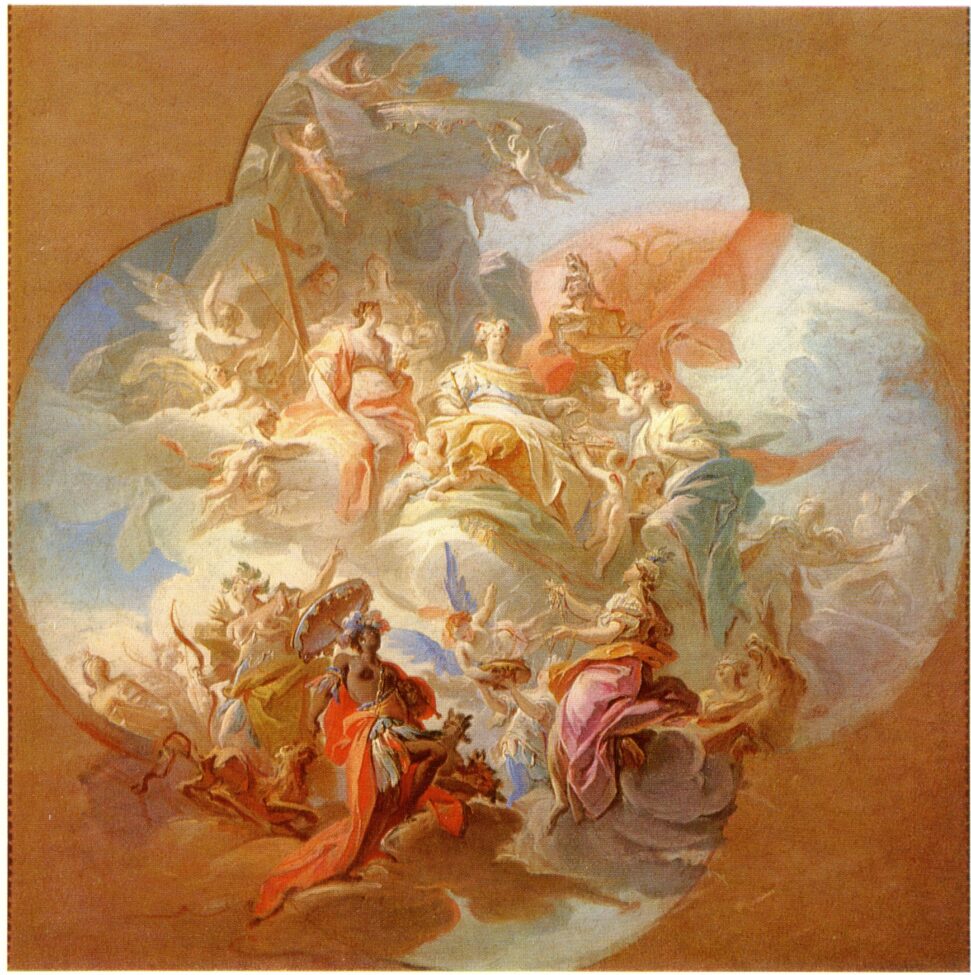
The initial idea sketch, or pensiero, was followed by the actual design—either an oil sketch or a sculptural bozzetto. The modello, a fully developed small-scale version of the final work, was then presented to the patron for approval.
The exhibition includes preparatory works for paintings, frescoes, engravings, and sculptures. In some cases, the finished works have been destroyed; in others, no completed version is currently known.
Sculptural Designs
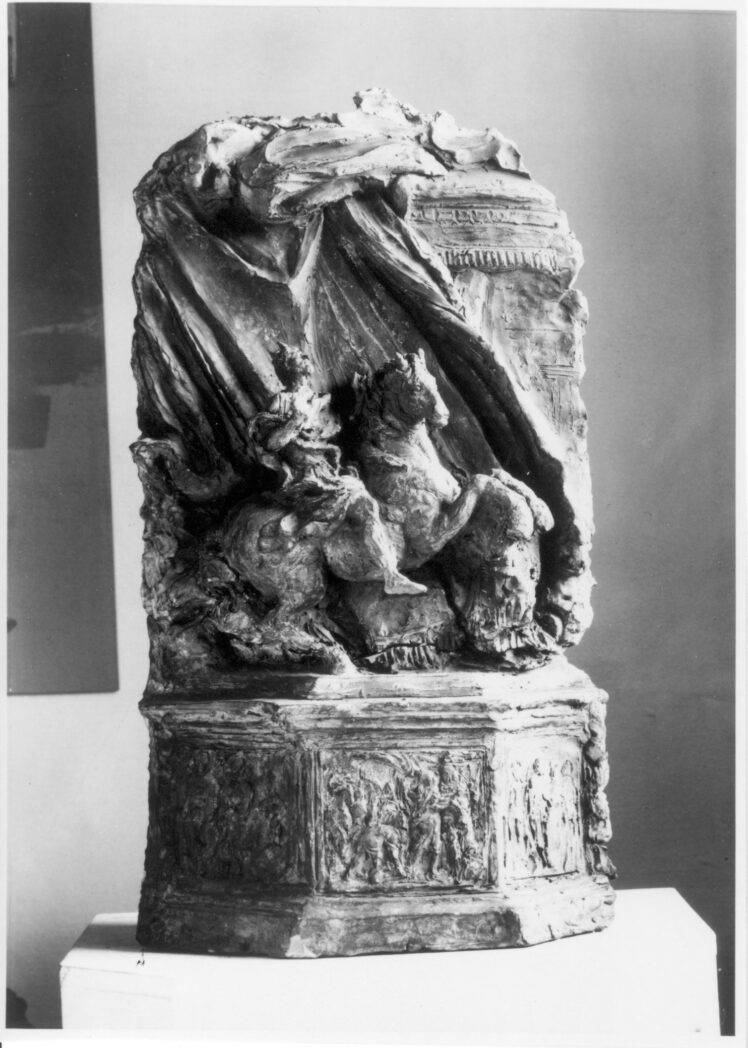
Sculptors—and occasionally painters as well—created small three-dimensional models of their artistic concepts in wax, clay, or wood. These models convey the creative process with particular immediacy. Their degree of finish ranges from roughly modeled forms to astonishingly meticulous detail.
Sometimes only individual elements, such as studies of arms or legs, were produced. As examples from the Rossacher Collection demonstrate, however, artists also created complete works in miniature. The use of clay allowed for rapid execution, and once fired, these models became remarkably durable. Like painted models, they also served as presentation pieces for the patron before the final work was executed.